
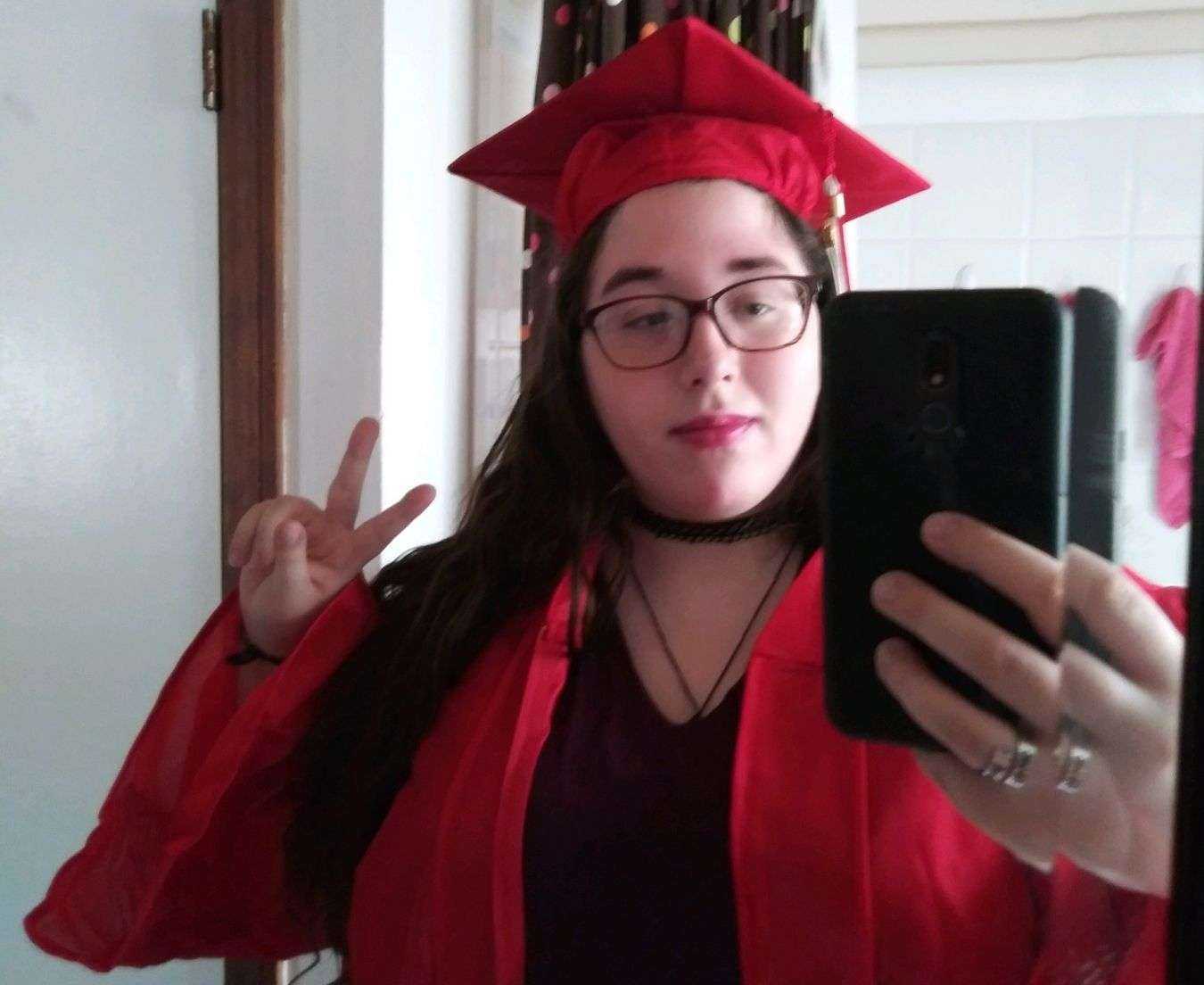
Pearl’s Story EDIT
Pearl received a liver transplant in March 2013 at age 11. Our goal is to raise $50,000 for COTA in her honor to assist with transplant-related expenses, such as costs related to hospitalizations, frequent appointments in Boston and Waltham, and the cost of over the counter medications, along with any other transplant related costs.
Pearl’s story really starts before she was born. In Pearl, the liver is to the left, there are many splenules, rather than one large spleen, and the stomach is also reversed. On February 8, 2002 Pearl was born and everything appeared to be functioning properly. After a quick check-up with the cardiologist she was given a clean bill of health.
By four weeks I thought she looked a bit jaundice, but it wasn’t until the check-up at six weeks that she really appeared yellow. It was so mild that even the staff in the doctor’s office weren’t sure. After a quickly planned baptism Easter Sunday, we were off to NEMC-Tufts for some answers.
We were told to bring her first for a HIDA scan, where they inject a radioactive dye designed to be taken up by the liver, and then put you under a scope and see how much of it passes through. For Pearl, some did pass, but most stayed in the liver. Next stop was GI. Here they ran some blood tests and decided that Pearl would be admitted so that they could continue testing. They explained some of the things it could be, and what they suspected it was. After two days of testing, the conclusion was biliary atresia.
Biliary atresia is a condition where the bile ducts either within the liver and/or from the liver to the intestines are damaged or missing, along with the gall bladder (which is attached to the biliary tree). On April 4th, 2002 Pearl had a Kasai procedure, which is a surgical procedure that creates a bile duct from a piece of her intestine. This procedure prolongs the life of a biliary atresia patient, but it is considered a temporary solution, and a transplant is the only permanent solution. After about two additional weeks in the hospital, Pearl was released with a lot of meds and followups.
In July of 2002, Pearl developed cholangitis, an infection of the liver. This type of infection is common with children who have had a Kasai, and treatment of this type of infection requires IV antibiotics. After a three week stay for treatment, Pearl was again released.
Things went along fairly smoothly for Pearl after that. Her red cell counts were low, so a hematologist was added to the pediatrician, cardiologist and GI already handling her care. In the summer of 2006 a new issue developed – Pearl had pneumonia. After a four day stay at Tufts, we were released with an additional diagnosis of asthma. We then started seeing a pulmonologist at Children’s for the asthma. Over time we have also added an endocrinologist at Tufts and a urologist to the list of doctors, as well as switching from the Tufts to Children’s transplant teams.
Pearl had no complications until the fall of 2012. There is a different issue that can arise with any patient having severe damage to their liver called hepatopulmonary syndrome, in which the liver damage causes the lungs to not function properly and oxygen to not be distributed correctly. This condition can be stabilized with oxygen therapy, but can only be cured with a transplant. This is the situation Pearl faced. This condition would put her on the transplant list. After a short inpatient stay because she had almost fainted, we were given a O2 sat monitor and oxygen tanks to take home. We then had to adapt her home and school life around the oxygen she would need 24/7 until transplant. We then had another short stay to complete the transplant evaluation and get her on the list. She was finally listed (at a negative one) on February 22nd, then bumped up to a 29 a few days later. She developed a cold, and that aggravated her breathing difficulties, so we spent another few days at Children’s. Then a miracle, a few days after that admission, and only ONE MONTH from her being put on the active list, they found the perfect liver for her!! We spent the day waiting, being visited by “Nick the runner”, and just chatting about what would happen next. After a 14 hour wait, Pearl was off to surgery! Eleven hours later, a very pleased Dr Kim told us the liver was a perfect match! Anyone out there who wonders why they should be an organ donor when they die – THIS IS IT! My beautiful girl is alive and (mostly) well, because of a donor! We don’t know who her donor was, so I say a very heartfelt thank you to any and all families out there who honored your loved ones by donating their organs!
The hospital stay after the transplant was long and frustrating for everyone. Sometime during the surgery, or within a day or two afterwards, Pearl had a stroke. Luckily it was a very small stroke, and it required no intervention. Unluckily, it occurred it the part of her brain that processed information, especially written information, so Pearl dropped from a 7th grade reading level to a 3rd grade level and has struggled to get herself back to grade level. This has probably been the most frustrating of the side-effects, as it requires her to spend extra time on school work, and makes it hard for her to take in verbal and written information if it is presented too quickly. But, despite this, she has still managed to maintain grades that are mostly A’s and B’s!
After six weeks in the hospital, we were ready to come home. It took an additional six months before we could wean her completely off the oxygen, but everyone was so helpful! From the teacher who put her at the edge of the group at graduation so that she could put her oxygen on a chair next to her, or sit in the chair if she were tired, to the cousins who got out of the pool for a little while so that she could swim around without choking anyone with the oxygen hose, to the SCCT theater group that presented her with a signed t-shirt and tickets to the play she had to drop out of because of the transplant. Thank you to everyone who helped during 5th and 6th grades as we all adjusted to the transplant life!
Pearl’s first two years post transplant were relatively quiet. She moved on the middle school, joined the colorguard, and the chorus. A few ER visits due to nausea. A stress fracture that had her performing colorguard in a “boot”. Struggles with schoolwork, some anxiety over the changes in her life, but mostly normal. She even got to do a combined colorguard show with her sister Thea! That was a lot of fun. The winter of seventh grade found us back at Children’s for a tonsillectomy, and that led to two short stays, but even that quickly resolved. In the meantime, she was growing steadily bigger and stronger. Grades were improving. Everything started to look up.
Then came the spring of 8th grade year. Migraines came into the picture. Then several bouts of GI issues that caused frequent hospitalizations of anything from two days to two weeks. She also had pneumonia (which caused the two week hospitalization). Shortly after being released, she started having alternating joint pain and limb numbness. The numbness even spread to her face. Seeing as she had just gotten over pneumonia, there was a lot of concern that it might be Guillian-Barre Syndrome, which causes nerves to stop working. This is usually temporary, but in extreme cases it can affect the nerves in the lungs, and the patient can stop breathing, so each episode required us to at least be seen by the neurologist in the ER to make sure that she wasn’t developing GBS. All of these visits unfortunately cut into summer/fall camp for the band/colorguard, and she had to give up colorguard. Also around this time she started to experience dizzy episodes, which were making it difficult for her to get around school, since she had just transitioned to the high school. We ran lots of tests that fall and early winter. The end result being Pearl was started on a regiment of PT to try and resolve the dizzyness, and also on an IEP so that she would have more coordinated help at school.
Sophomore year healthwise was a bit quieter, although the migraines continued to be a problem, and the occasional dehydration brought us to the ER, but only one admission after some GI scopes. The school removed her IEP and returned the 504, which has led to issues again with how much work she needs to complete. The last year has been kind of the same, but there have been newer issues creeping in. More frequent bouts of dehydration causing ER visits and one admission. GI pains and IBS symptoms. Increased migraines in both frequency and pain. More joint pains. And the return of the dizzyness. And a worsening of the anxiety into depression. All of which have combined to make it nearly impossible for Pearl to complete a whole week of school. We are juggling tons of symptoms, lots of pain, and frequent trips to Boston.
From a financial point, the frequent trips and hospitalizations drain our emergency funds, which are again at zero. They also drain my sick/vacation time, which is approaching zero. And a deer wiped out the car, so we now have a much larger car payment to deal with as well. A trip to Boston typically costs $50 including gas, food/drinks, and parking fees. Another thing we are trying to plan for is a stay at the PPRC, a special outpatient hospitalization program that is from 8-4 all day, every week day, from 2 to 12 weeks. This program concentrates on treating the whole body to find ways to alleviate and/or manage pain. But it requires either driving to Waltham daily, or renting something in Waltham, both options being costly. And it requires someone being available to help William go to school, get groceries etc. But we’ve come to a point where this seems to be the best option to get her through her current problems. Pearl, and the other transplant kids, live mostly normal lives, but they are constantly vigilant for illnesses that could jeopardize their precious new organs.
But Pearl is more than just her disease, so much more! She is a bright, energetic, fun-loving “social butterfly” who enjoys singing and dancing at school, and doing both cast and crew for the drama club. She took flute lessons for a while, and is learning viola. She loves to read and play chess with her younger brother, William (who usually wins). She likes movies and TV shows about dancers and singers, and loves the show “Bones”. She loves to hang with her friends and have sleepovers. She likes playing her computer and on her phone. She enjoys watching “her runner” Nick, and all the ALF and Children’s runners, in the Marathon every year. And she is waiting anxiously for her health to improve so she can go back to all the fun things she loves to do! Pearl, and the other transplant kids, live mostly normal lives, but they are constantly vigilant for illnesses that could jeopardize their precious new organs.