August 2026 – August is National Multiethnic Donor Awareness Month. This national observance was initiated in 1998 as a single day to increase our nation’s consciousness of the need for more organ and tissue donors from multicultural backgrounds. In 2020, this nationwide effort was expanded to encompass the entire month of August.
National Multiethnic Donor Awareness Month honors communities of color who have been organ and tissue donors and encourages others to register as donors. It is about empowering multicultural communities to save and heal lives. Although organs are not matched according to ethnicity, and people of different races frequently match one another, individuals waiting for a transplant have a better chance of receiving an organ if there are large numbers of donors from their ethnic background. This is because compatible blood types and tissue markers (critical qualities for donor/recipient matching) are more likely to be found among members of the same ethnicity.
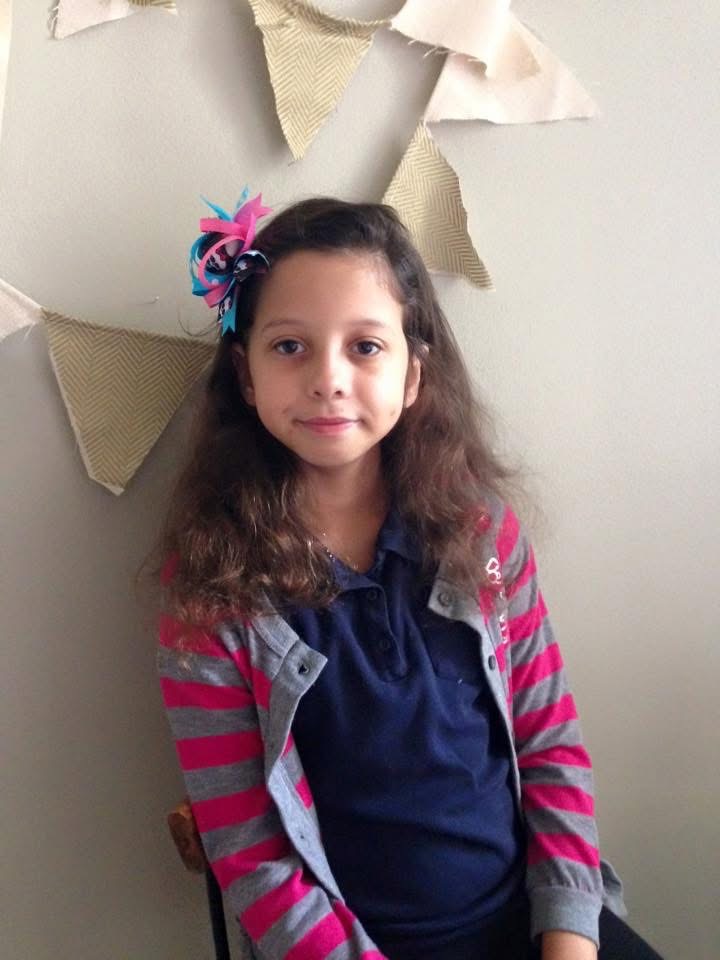
COTA’s Anselmo family of Miramar, Florida, knows these facts all too well. Their daughter, Savannah, was born in December 2006. Five months later, she was diagnosed with biliary atresia – a deadly liver disease with only one known cure … a liver transplant. Three days after hearing this devastating news, her father called the Children’s Organ Transplant Association to see how they might be able to help this young family whose world had literally been turned upside down.
The Children’s Organ Transplant Association is a national nonprofit with an unwavering commitment to be The Trusted Leader Supporting Families … For a Lifetime. COTA was founded in April 1986 when an Indiana family could not afford the liver transplant their toddler son needed to survive. Their family members and friends canvassed neighborhoods and county fairs to collect cash and coins to help. That first group of volunteers formed the foundation of what would grow to become COTA. Today, 40 years later, COTA is committed to helping transplant families avoid financial devastation.
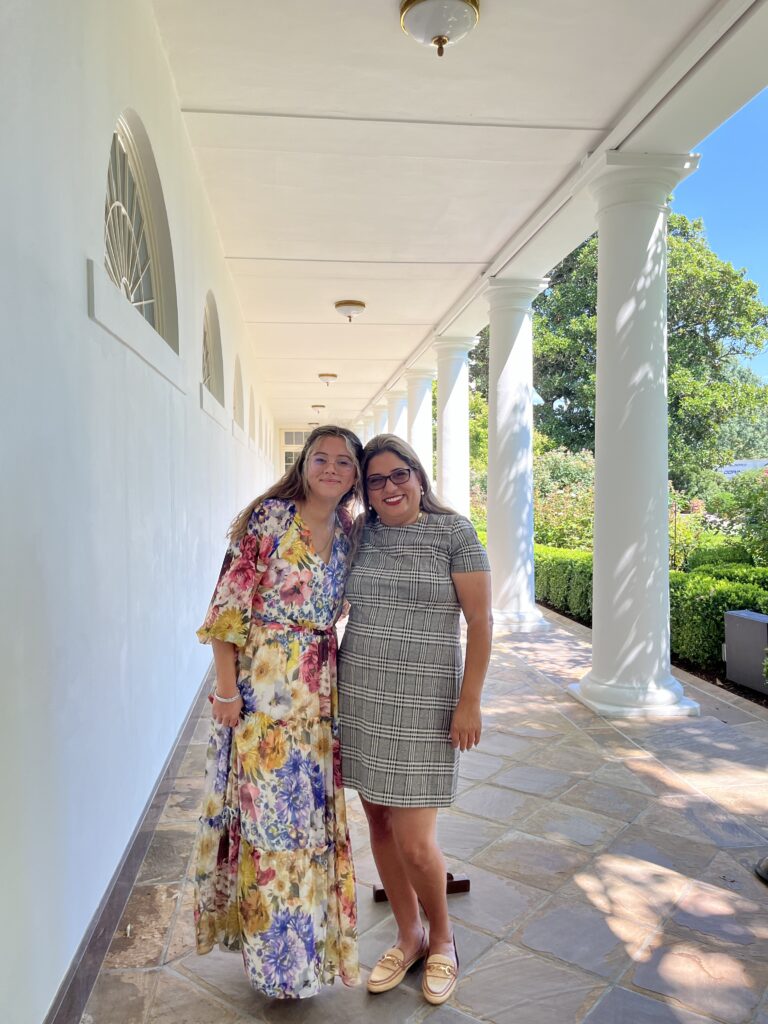
Ana and Robert Anselmo remember the moment when a transplant surgeon told them the journey with their critically ill infant was going to be a roller coaster ride with many ups and downs. Now almost two decades after Savannah’s liver transplant at the Children’s Hospital of Philadelphia – they realize truer words were likely never spoken. Learning about COTA from their Philadelphia transplant team early was one of the major ‘ups’ in Savannah’s transplant journey. Ana remembers, “When Savvy was diagnosed we had health insurance. But what we did not have were all the extra funds we were going to need for travel, food, lodging and her care. We were frightened; financial fears are very real. Our baby girl was very sick. Receiving a COTA pamphlet from the transplant social worker was a life-changing experience for our family.”
Robert called the COTA office on April 30, 2007, and the family’s signed patient agreement was received four days later. Once the COTA for Savannah A website was launched and they were given access, the Anselmos started using it to update friends and family about their transplant journey. They also visited COTA.org to access other COTA kids’ websites and read about their families’ struggles and stressors. It was the first time they remember not feeling they were all alone. Ana and Robert updated Savannah’s COTA website to vent their anger and frustrations … and to celebrate their baby girl’s fighting spirit as they waited for a new liver to be found. Shortly after Savannah’s first birthday in early December 2007, she received her new liver and her second chance at life at a transplant center nearly 1,200 miles from their home.
“At the beginning of this journey, we thought her diagnosis was a death sentence,” Ana said. “Recently when going through years of paperwork, we found a medical record from those early years that says – Prognosis: Death without Liver Transplant.” Those words are now forever burned in Ana’s brain. “Our baby would have not lived to the age of 2 without a liver transplant, and without COTA, we would never have been able to pursue her transplant at one of the nation’s best pediatric transplant centers.”
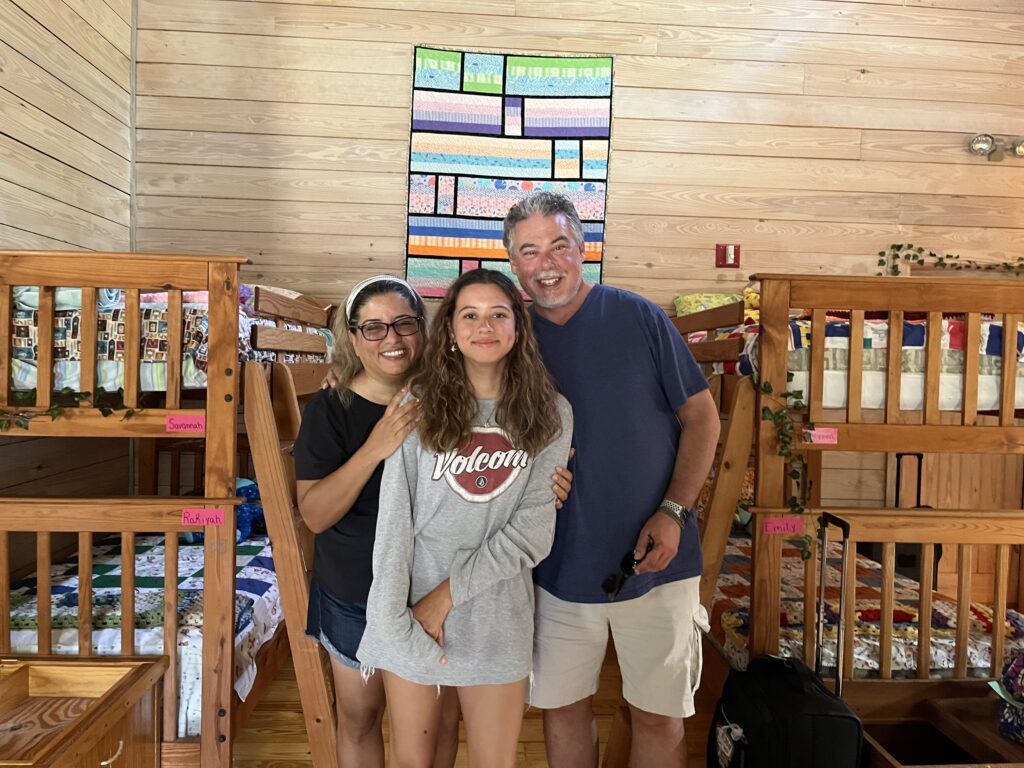
At the outset of their journey, Ana and Robert asked close family members and friends to be their COTA Volunteer Team. Those individuals received personalized fundraising training and assistance. They quickly got to work using COTA’s resources to raise funds for transplant-related expenses. Ana and Robert remember the incredible impact their efforts and their dedication made on the long transplant journey they continue to travel today.
“Our COTA volunteers made a huge impression on us,” Ana said. “When we were in Florida and could attend a COTA for Savannah A fundraiser, we always did.” She remembers a big scrapbooking event, restaurant nights and a swim-a-thon that raised $10,000. “COTA brings entire communities together to help transplant families, for absolutely nothing in return except to be able to say they played a small part in the journey,” Ana explained. “Most people long to be able to do something to help when someone is in crisis; the gift of COTA is how it makes that desire, that willingness to help, strategically possible in so many ways.”
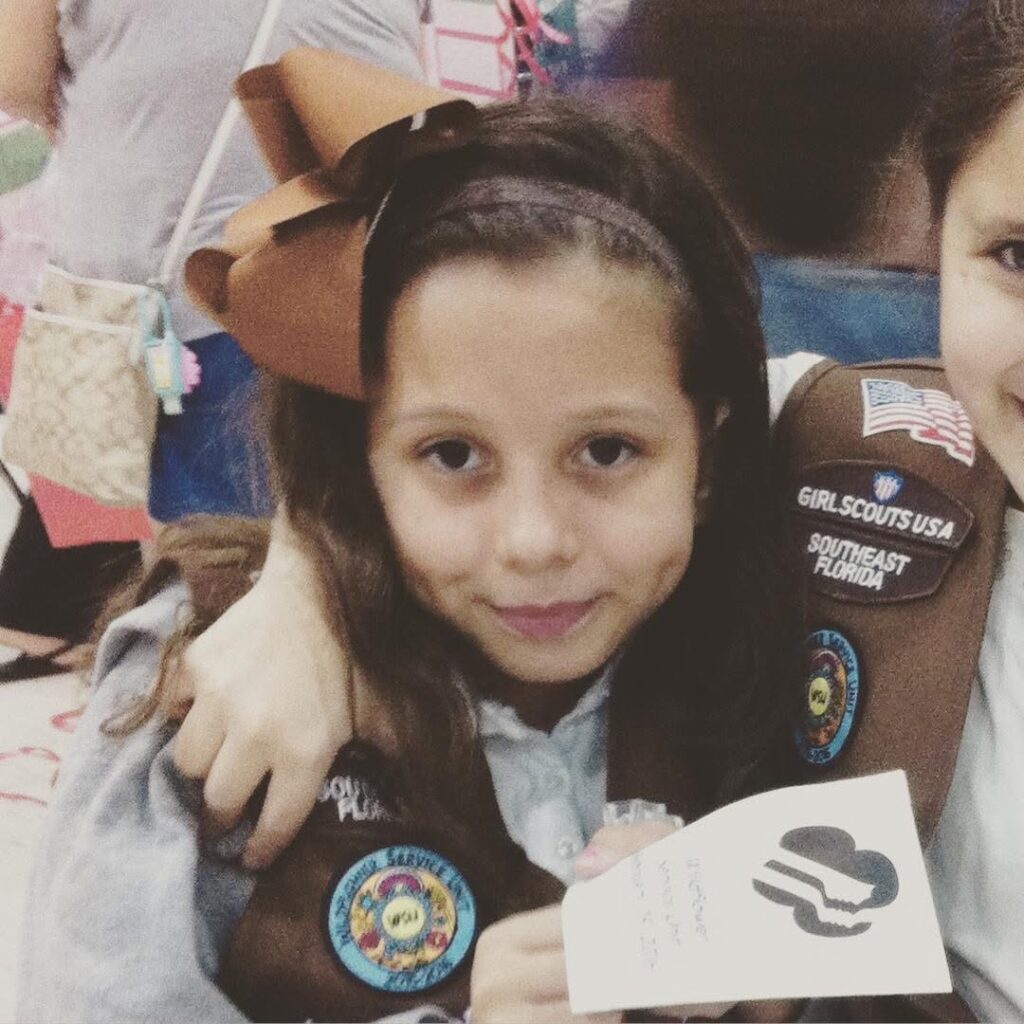
Between the ages of three and 11, Savannah experienced some major health challenges that required multiple trips between Miami and Philadelphia. Savannah suffered with portal hypertension as a toddler and that lasted until she was six. During these years, the little girl also had at least one episode of unexpected bleeding that required stabilization in Florida and then medical transfer to Philadelphia. During her teenage years, Savannah forgot to take her transplant medications several times. By the time Ana and Robert realized what had happened, they had to quickly get to Philadelphia because she was very sick.
“To this day … actually to THIS day, COTA continues to help with transplant-related expenses,” Ana emphasized. “We have good health insurance, but without COTA I am not sure her liver transplant journey would have been possible. In the beginning with just our insurance, we could not have afforded necessities like parking, lodging, airplane fares, co-pays and medications … the list goes on. I still remember my first call to COTA when my baby was very sick; I was so emotional and I did not know what to do or where to turn. I heard these words, ‘Do not worry, we are here to help your family.’ I will never forget the power of those words. I simply cannot imagine how we could have travelled this journey for nearly 20 years without COTA.”
Because Savannah’s transplant team was in Philadelphia, the Anselmos have experienced extensive transplant-related travel expenses that include lodging, transportation and meals for almost two decades. For the first few years the family stayed at the Ronald McDonald House in Philadelphia, but as Savannah aged they transferred to the Gift of Life House. “We have used special lodging for 18 years … imagine that,” Ana said. “Today when we check into the Gift of Life House, the person at the front desk typically asks, ‘Are you still with COTA?’” Ana smiles each time they have checked in over the years and have been greeted with these comforting words.
Savannah was featured 17 years ago in COTA’s 2009 Calendar, and the organization’s media story that was shared throughout September, National Hispanic Heritage Month, that year. “Without her liver transplant, Savvy would not have survived to be in COTA’s 2009 Calendar. To be featured in the 2026 COTA Calendar means she has had 17 bonus years of memories.”
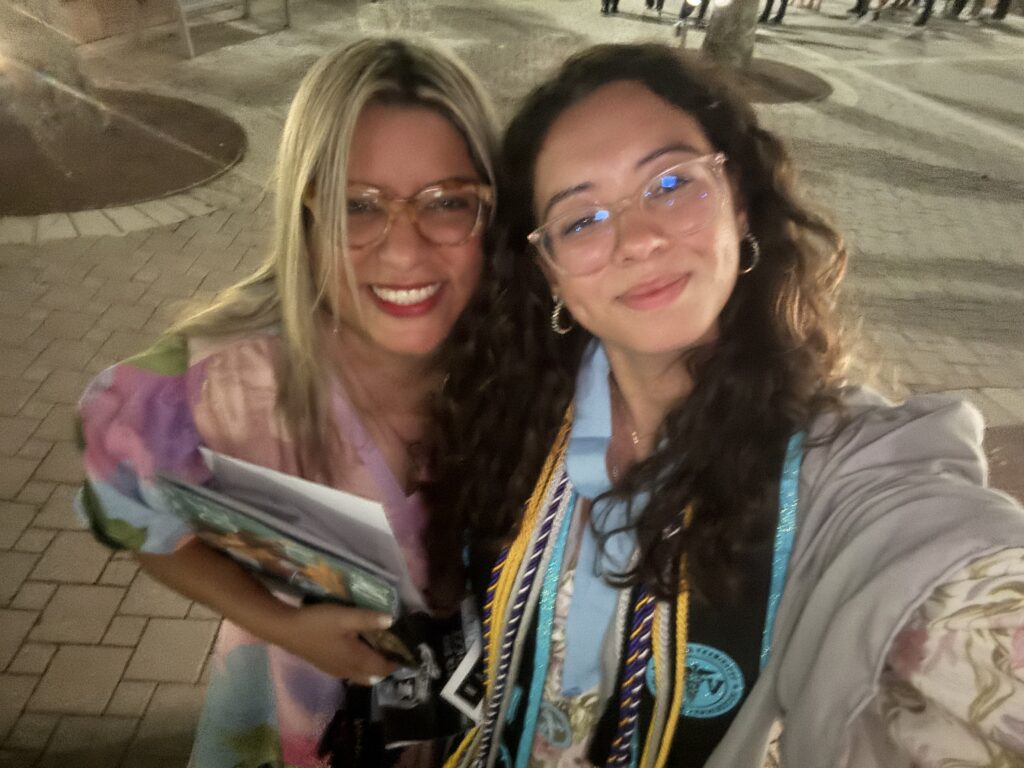
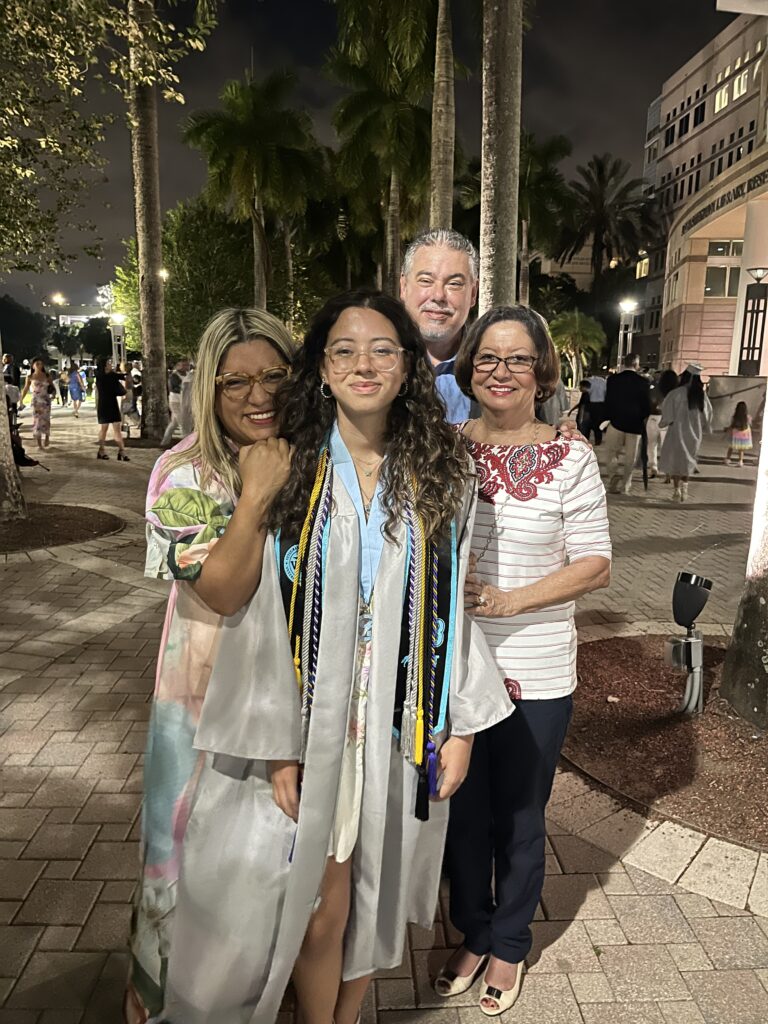
Savannah has literally grown up as a COTA kid. She graduated from high school in May 2025 and spent that summer as paid staff at Camp Boggy Creek in Eustis, Florida … which Savannah describes as her favorite place on Earth. For years, she has attended as a camper during the camp’s Solid Organ Transplant Week. She has completed her first year of college and is pursuing a double degree in wildlife biology and history. During high school, Savannah received her Vet Technician Certification from the State of Florida.
Ana remembers the days when she would not even let herself dream about Savannah’s first day of Kindergarten. Now she has graduated from high school and is attending college. “COTA is so very important to transplant families because none of us know what is going to happen tomorrow … or what medication ‘glitch’ the pharmacy will have next week … or what lab draw is not going to be covered by insurance this week for whatever reason,” Ana said. “When you are part of the COTA Family you quickly learn almost everything is fixable.”
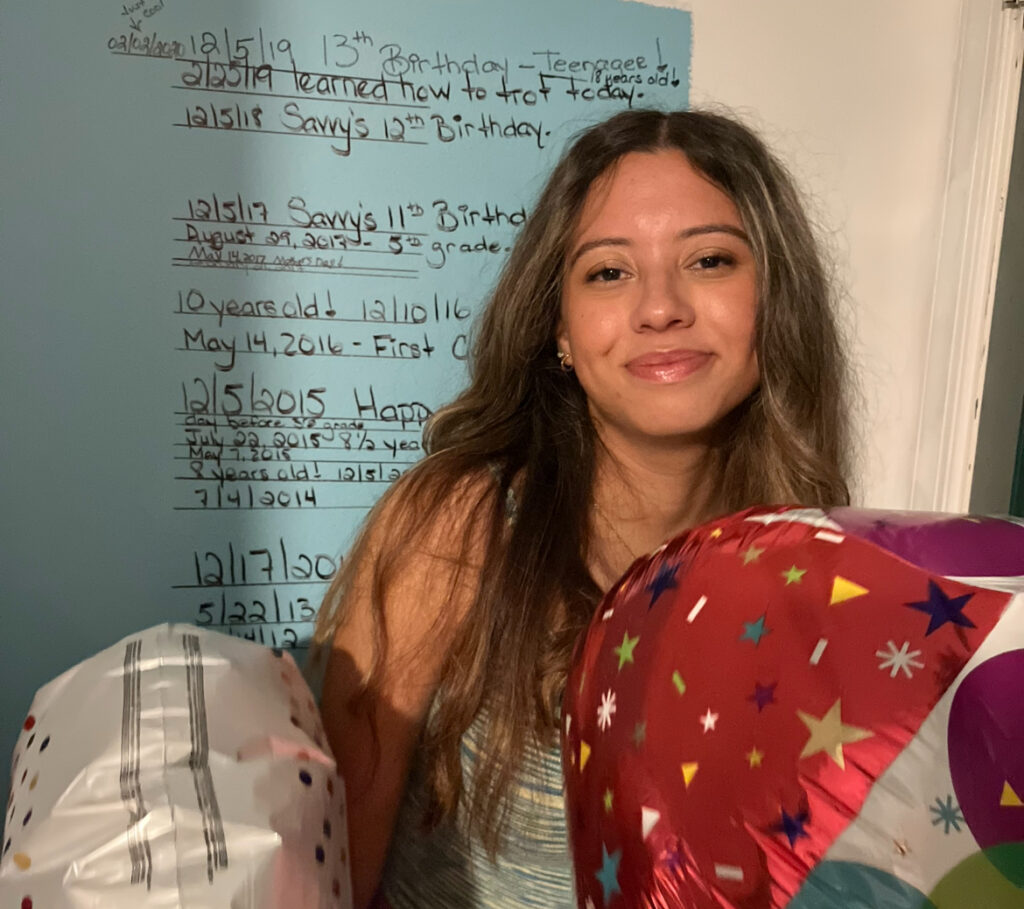
“It becomes extremely burdensome to be constantly worrying about money when your child needs a life-saving transplant,” Robert said. “Because of COTA we kept our jobs, we kept our home and we are not bankrupt.”
COTA’s unwavering commitment … a Lifetime of Support … continues to be important to the Anselmos who have been part of the COTA family since 2007. A transplant journey is undoubtedly filled with countless ups and downs. It is indeed much like riding a roller coaster as their transplant surgeon told the Anselmos at the outset of their journey.
“COTA has been with our child her entire life. COTA has been a major constant in our family’s up and down transplant journey,” Ana and Robert said. “Being able to ride it with Savannah has been the biggest privilege for us. Deciding to take this ride with COTA many years ago was one of the best decisions we ever made.
Throughout 2026, the Children’s Organ Transplant Association (COTA) is celebrating 40 years of its commitment to being “The Trusted Leader Supporting Families … For a Lifetime.” COTA is also celebrating four Decades of Donors — those who make the selfless decision to become organ and tissue donors and financial contributors who have helped raised more than $160 million for transplant-related expenses. COTA was founded by one Indiana family in 1986. Today, thousands of transplant families, like the Anselmos, rely on COTA’s guidance and support, which is provided at no cost.
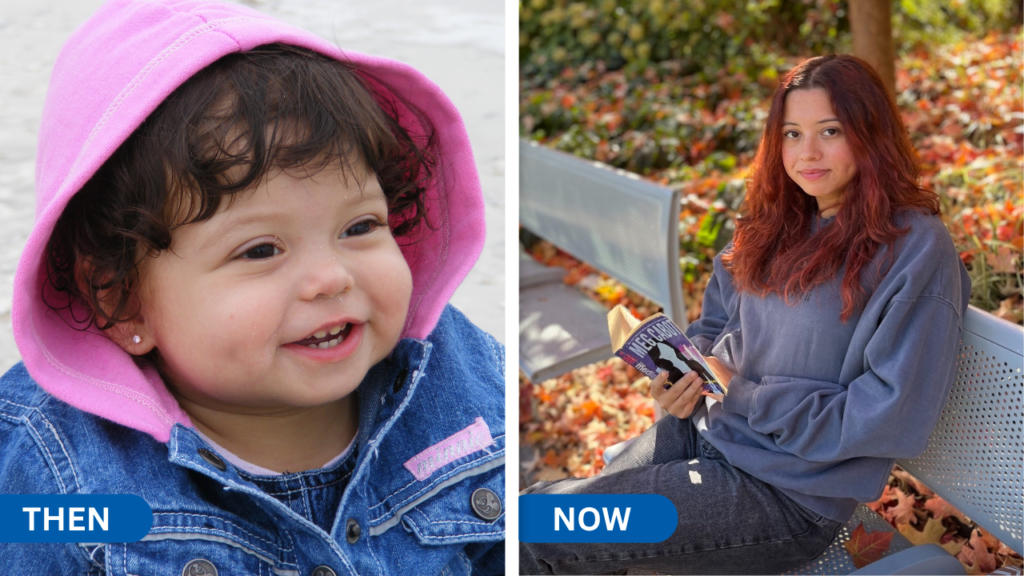
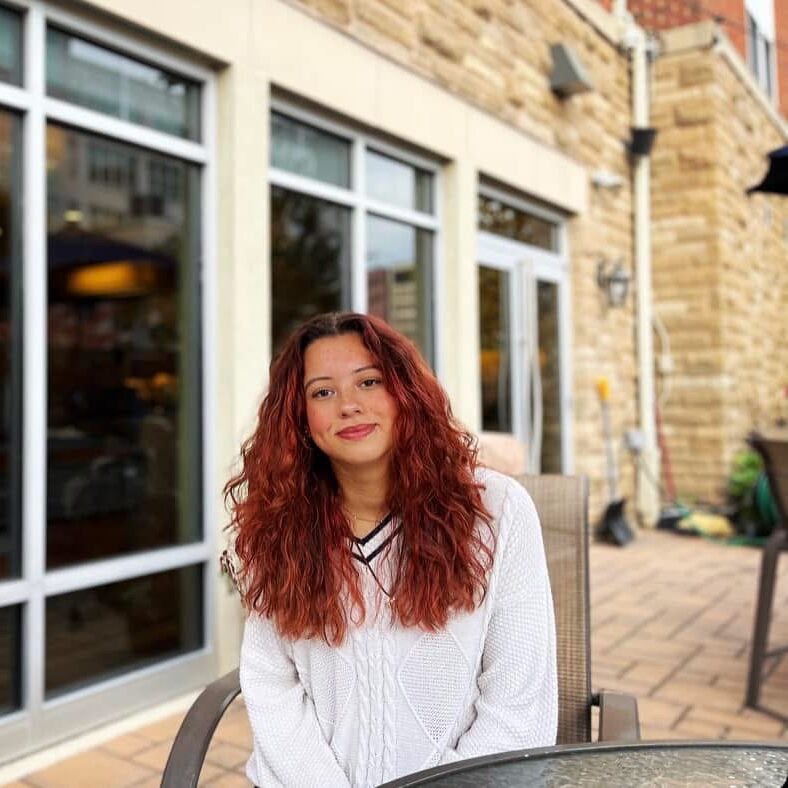
COTA Teen Savannah Anselmo, Liver Transplant Recipient