June 1, 2026 – June is a month full of family and fun, especially on the third weekend when families gather to celebrate dads. Father’s Day is a special holiday for the Nesbitt families of Wildomar, California. But this year it has even greater significance because the Nesbitts will celebrate three generations who are able to gather and celebrate on June 21st because of the ultimate gift given more than two decades ago … dad’s kidney to his little boy.
Phillip and Ginger Nesbitt will always remember March 14, 1995. Not only was it the day their second son, Myles, came into the world, but also when their joy was dampened upon learning he was born with End Stage Renal Disease. While frightening, the news was not unexpected. Ginger’s pregnancy had been as normal as her first pregnancy with son, Tucker, until the eighth month when she was not feeling well. An ultrasound showed there was no amniotic fluid surrounding the fetus. Ginger was quickly induced. Myles was born weighing eight pounds, with one non-working kidney and one kidney functioning at 30%.
“The doctors told us to enjoy and love him as much as possible in the time we had. We were devastated,” Phillip remembers. But Myles had other plans. The baby was eventually moved out of hospice care, and his team of specialists performed bypass surgery to address Post Urethral Valve Obstruction. This surgery was a success; Myles started to grow and get stronger. By following everything the kidney team instructed them to do, Myles was eventually released to go home. Phillip and Ginger were beyond grateful and vowed to do whatever was necessary to keep Myles’ kidneys healthy. The weeks, months and years that followed were filled with medications schedules and dietary restrictions with a goal of keeping Myles growing and gaining weight.
But in October 2003 when Myles was in third grade, everything changed when lab work results necessitated a trip to Lucile Packard Children’s Hospital. The little boy needed to be placed on dialysis. “Myles needed a kidney, and he needed it yesterday,” Phillip said. Both Phillip and Ginger were tested and both were a match to be his kidney donor. It was determined Phillip would be Myles’ donor in early December. The Nesbitts remember how quickly everything seemed to progress once they learned of Myles’ desperate need for a working kidney.
“Everything was moving so rapidly,” Ginger said. “Our village … our family … our support network helped in so many ways. But they kept asking us, ‘What more can we do?’ I remember a transplant social worker at Lucile Packard had shared information with us about the Children’s Organ Transplant Association, but I was unable to even contemplate medical expenses at the time.” Ginger also remembers giving COTA’s information to her mother, Kathryn Eddy, who was anxious to do something tangible to reduce some of the family’s stress.
Myles’ Grandma Kathryn called COTA’s office in October 2003 to learn more. Utilizing COTA’s guidance, support and fundraising materials, she reached out to others in the community and organized a volunteer team to raise funds for COTA to assist with transplant-related expenses … expenses that would be with two generations of her family for many years to come.
The Children’s Organ Transplant Association uniquely understands that parents who care for a child or young adult before, during and after a life-saving transplant have enough to deal with; therefore, COTA’s model shifts the fundraising responsibility to a team of trained volunteers. COTA was founded in April 1986 when an Indiana family could not afford the liver transplant their toddler son needed to survive. Their family members and friends canvassed neighborhoods and county fairs to collect cash and coins to help. That first group of Midwest volunteers formed the foundation of what would grow to become COTA.
Ginger remembers a big COTA for Myles fundraiser her mother and their COTA volunteer team organized. It was a COTA for Myles art auction and reception held in downtown San Francisco. Today, decades later, they still talk about the large number of people who attended and the vast array of artists who donated artwork to be auctioned. The COTA for Myles event raised more than $50,000 over the course of the evening. “We will never forget the people, the artwork, the event … all of it. It is still overwhelming today when we look back on that special evening and remember our COTA volunteers and the guests who gathered to make sure Myles got a second chance at life,” she said.
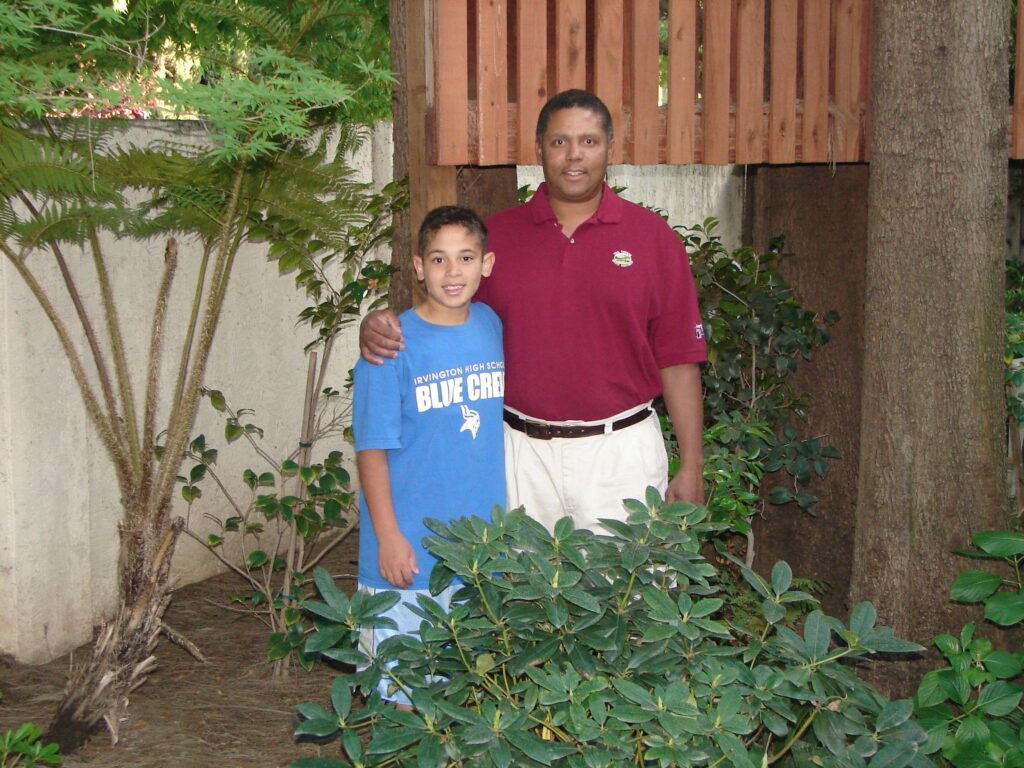
Eight-year-old Myles received his new kidney from Dad Phillip on December 8, 2003. Today as an adult, Myles still remembers being in the hospital the night before their kidney transplant. Phillip asked Myles to sit on his hospital bed so they could talk about what was going to happen the next morning. Myles recalls sitting on his dad’s bed with his older brother, Tucker. And he remembers how upset Tucker was because he really wanted to be Myles’ kidney donor. Tucker was in the 8th grade at the time. Myles smiles each time he shares this 23-year-old memory.
“My parents prepared me for my transplant journey from the time I could comprehend what they were saying,” Myles said. “I was always in the loop. I remember being the fragile child, but always wanting to be normal. I still remember the relief I felt after the transplant. We had accomplished a goal and it was my job to protect and maintain it.”
As a young boy, Myles could not fully comprehend what was happening, but he does remember his parents talking about COTA events and volunteers. Those conversations always brought smiles to their faces. The Nesbitts fully acknowledge COTA truly created a strong bond with their family … one that spans several generations.
Once Myles received his dad’s kidney, he was able to do most things a healthy boy should do. Riding a bike, playing with friends, joining in school activities, playing sports, driving a car, going to prom, graduating from high school and college … and so much more.
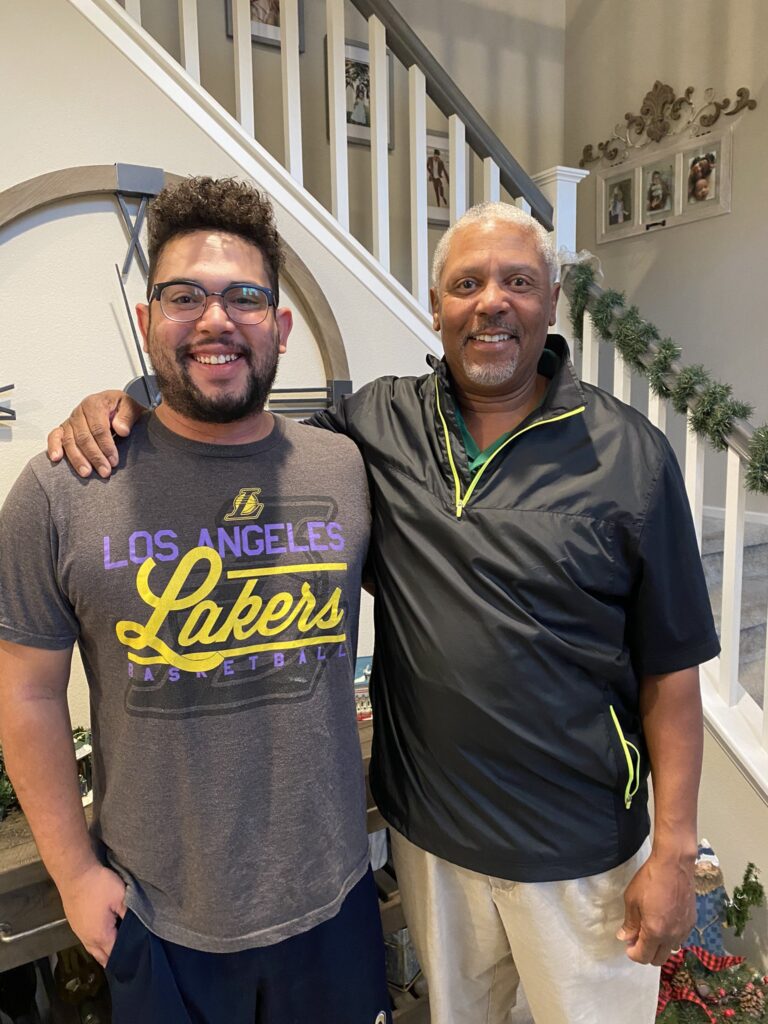
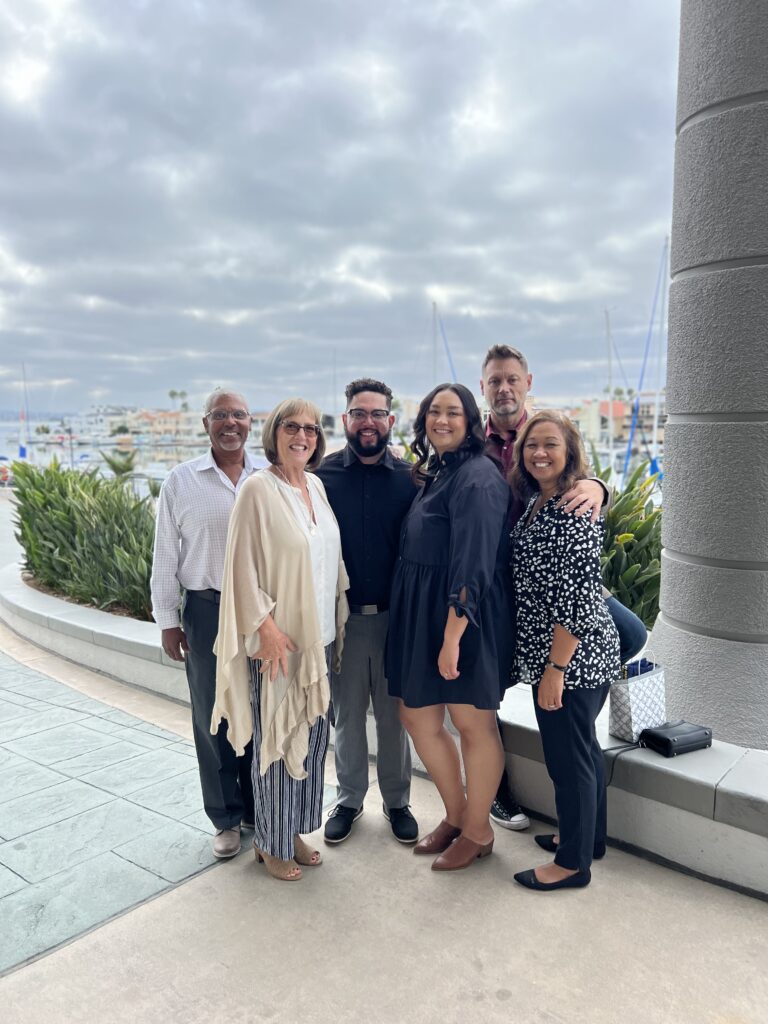
“As his parents, finding that right balance of letting go and allowing Myles to navigate life after transplant was often a challenge,” Ginger said. “Over the years we have proudly watched his growth. There are quiet little things that continue to shine through his personality which we attribute to the transplant journey he has been travelling for many years. Caring and honoring of family … empathy for others … immense patience and a strong desire to help those in need. These ‘transplant-related’ attributes have undeniably shaped Myles into the adult he is today.”
Myles graduated from college and, at age 26, was no longer eligible to be covered by his parents’ medical insurance. To this day, he remembers turning 26 and feeling overwhelmed to be completely in charge of his medical appointments, health insurance, medications … all of it including a major bump in the journey. Once out on his own and fully managing his life, Myles unexpectedly lost a job due to the COVID pandemic. Money was tight for him at that time, but he still needed post-transplant medications. Ginger distinctly remembers saying, “That’s why you have COTA.” She set up a call for him with COTA’s Family Services team so he could learn about transplant-related expenses and COTA’s processes and be able to ask questions. She wanted Myles to learn firsthand how COTA would be able to help him in that moment — and for a lifetime.
Myles is now accessing COTA funds and are being used for post-transplant medications and transplant check-up appointments. It is amazing to Myles that now, 23 years after receiving his father’s kidney, he still has transplant-related expenses.
“COTA is a huge help. Knowing COTA funds are there for transplant-related expenses helps keep me calm,” he said. Myles was featured 21 years ago in COTA’s 2005 Calendar, which was the first one created by the organization. 2025 marked Myles’ 30th year of his medical journey with renal disease and his 21st year being post-transplant.
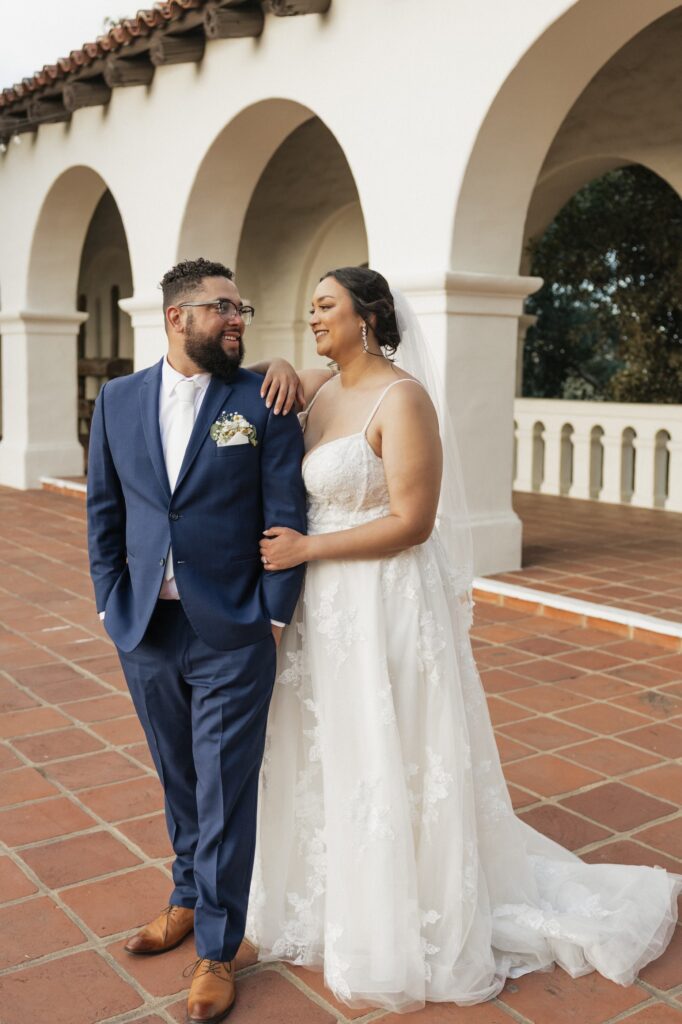
“It is hard to describe all that has happened on my journey since I was featured in COTA’s 2005 Calendar,” Myles said. “But what is easy to convey is that it has been a success story, thanks to COTA. I have had medical complications and challenges along the way but what has stayed constant it COTA’s commitment to me. I am able to live life to the fullest, including getting married and having children, without having to worry about ongoing and necessary transplant-related expenses.”
Myles is a living testament of COTA’s lifetime of support commitment. He is a registered behavior technician who works as an in-home therapist with children who have autism. He loves this job and these kids. “COTA is a driving force behind my career today,” he said. “My job is rooted in helping others, which is foundational to my life. Giving back and helping others because I was helped – this is at my core and always will be.”
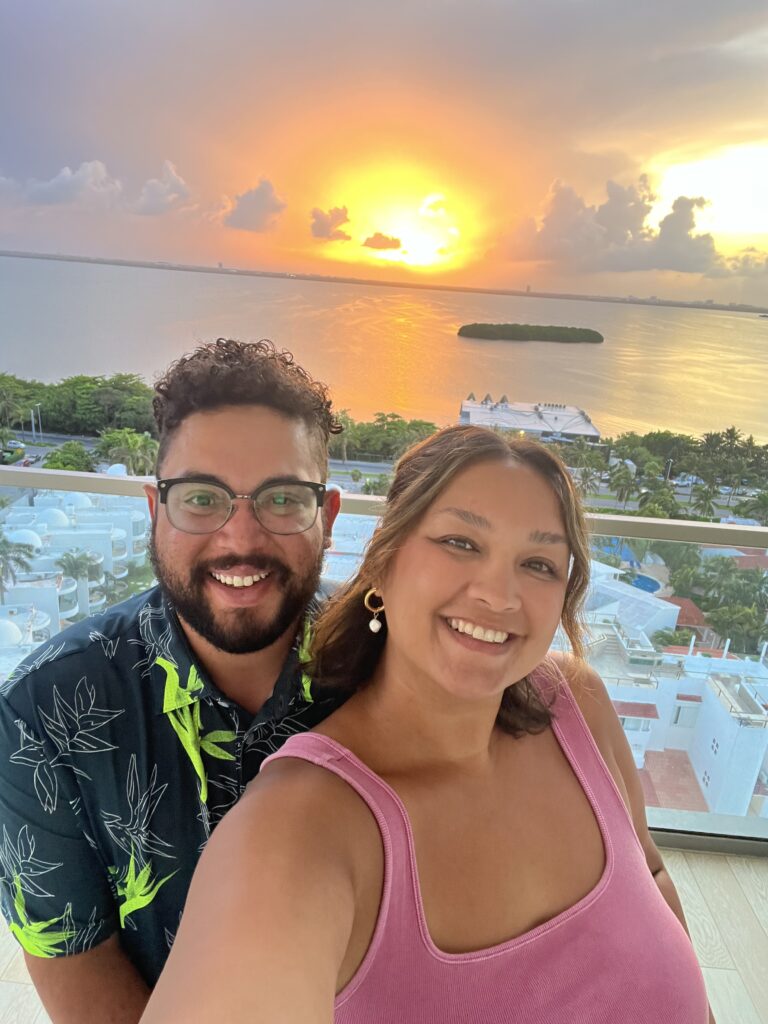
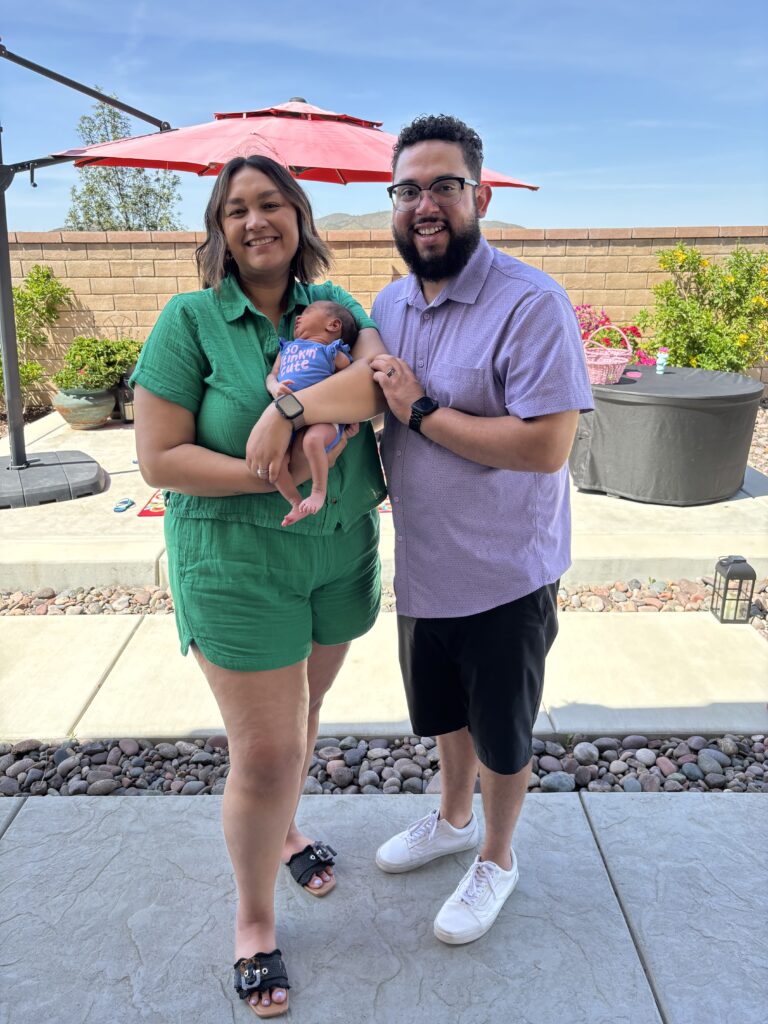
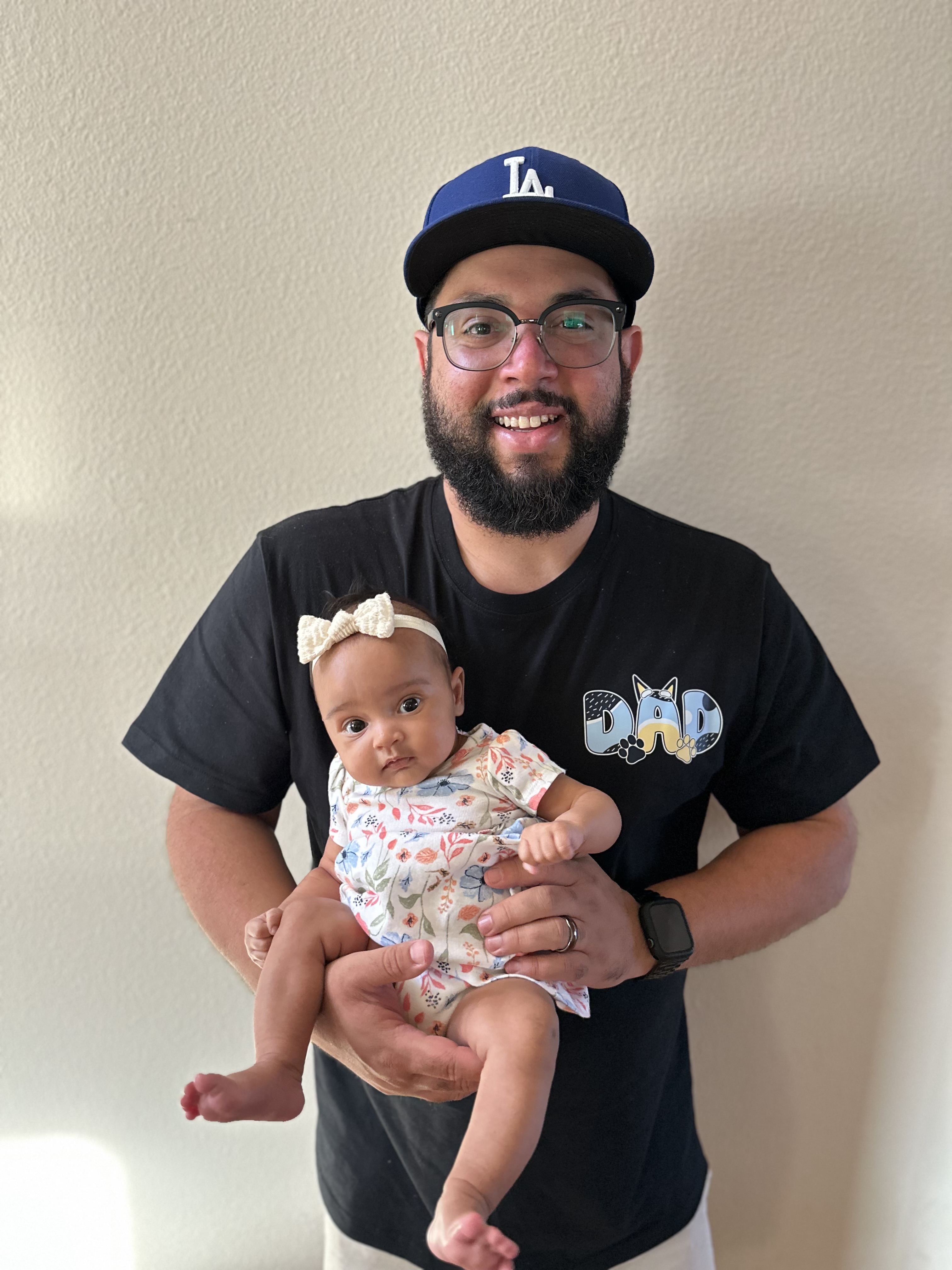
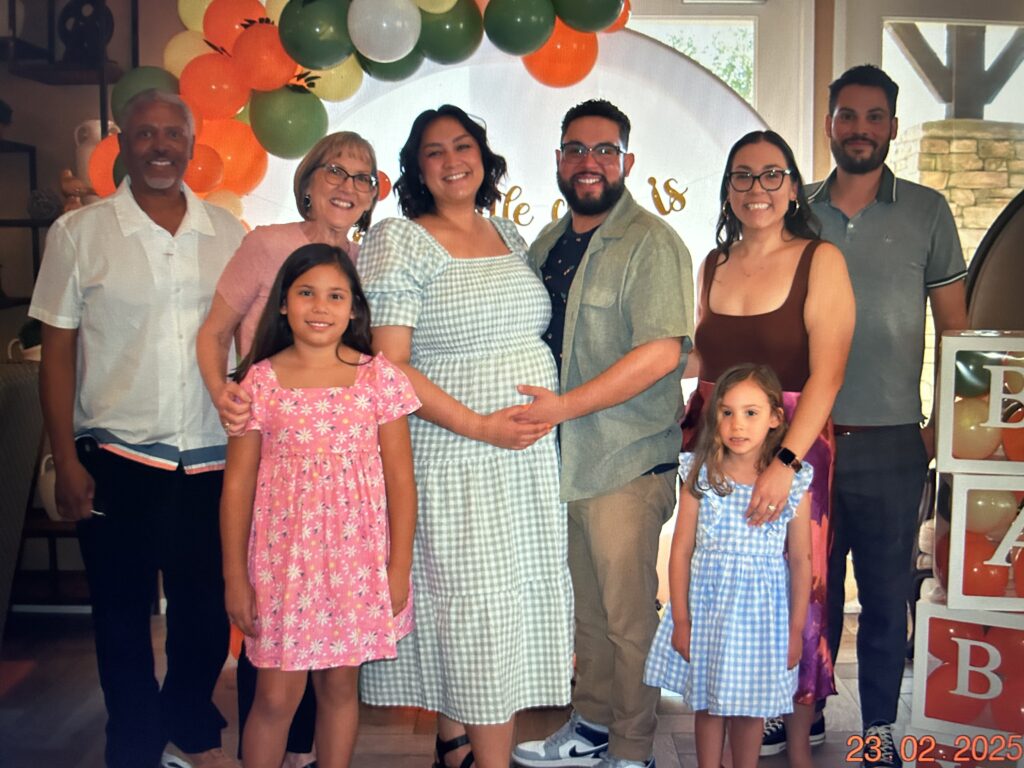
Myles and his wife, Jelissa, have a daughter who is the center of their lives, and their grandparents’ lives, too. Grandma Ginger said, “I am not sure I ever thought Myles would be where he is today. Married. Raising a family. Being employed in a job he loves. Myles has an amazing life, which is what we hoped for years ago when Phillip gave him the ultimate gift, a working kidney, and a second chance at life.”
She added, “New transplant parents need to know there is light at the end of a very long, and sometimes dark, transplant tunnel. And for us a big reason we were able to see that light is COTA.”
“I love COTA. It means the world to my family now and will for a lifetime,” Myles said.
Throughout 2026, the Children’s Organ Transplant Association (COTA) is celebrating 40 years of its commitment to being “The Trusted Leader Supporting Families … For a Lifetime.” COTA is also celebrating four Decades of Donors — those who make the selfless decision to become organ and tissue donors and financial contributors who have helped raised more than $160 million for transplant-related expenses. COTA was founded by one Indiana family in 1986. Today, thousands of transplant families, like the Nesbitts, rely on COTA’s guidance and support, which is provided at no cost.